MoE (Mixture of Experts)
A neural network design where many specialist sub-networks exist, but a router activates only a few of them for each input token.
What it is
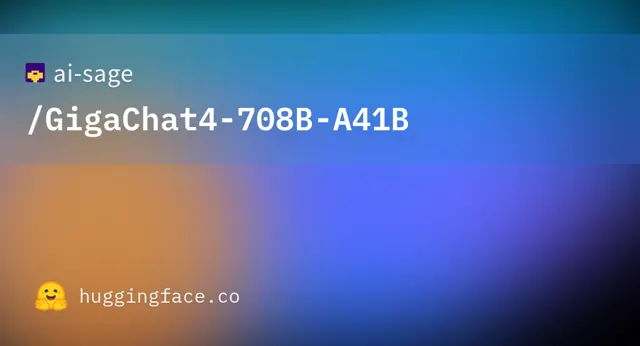
Mixture of Experts (MoE) replaces some dense layers in a transformer with a set of parallel sub-networks called experts. A small learned router picks which experts process each token. The model therefore has a large total parameter count but uses only a fraction of it per token, which is why names like '708B-A41B' list total and active parameters separately.
Why it matters
MoE lets a model hold more knowledge and capacity than a dense model of similar compute cost, so it can be cheaper to run per token for its quality. The trade-off is memory: all experts must be loaded even though only some are used. This affects hardware choices, serving cost and whether a model can run locally.
How it works
For each token, the router scores the experts and selects the top few, often one to a handful. Their outputs are combined, weighted by the router scores. Training usually adds a load-balancing objective so tokens spread across experts rather than collapsing onto a few. At large scale, experts are often distributed across multiple GPUs, which adds communication overhead.